Table of Contents
June's birthstones couldn't feel more different. Pearl brings something organic and quiet: worn close to the skin, shaped by time, tied to water and memory. Alexandrite is rarer, stranger, a stone that shifts from green to red depending on the light it's standing in. If you're shopping for a June birthday (or treating yourself to something that marks the month you were born), the choice between them isn't really about which is better. It's about which one reflects the person wearing it. This guide breaks down what sets pearl and alexandrite apart, from their origins and care to how they wear in everyday life, so you can choose with a little more confidence.
Pearls: Timeless for a Reason
Pearls have been considered precious for longer than almost any other gemstone, with references going back to 2300 BC. Ancient Chinese emperors prized them as symbols of wisdom. Roman aristocrats wore them as status symbols. Cleopatra allegedly dissolved one in vinegar and drank it just to make a point about her wealth. The pearl has always had a flair for the dramatic, even if its appearance suggests otherwise.
What gives pearls their staying power isn't just history. It's the way they look. That soft, glowing luster comes from light passing through countless thin layers of nacre, the material an oyster slowly builds up over years. The result is a surface that seems to glow from within rather than just reflect light off the top. It's subtle, but once you notice it, it's hard to unsee.
Pearls come in more colors than most people expect. Classic white and cream are the most familiar, but you'll also find warm gold, soft blush pink, and deep, moody black (think Tahitian pearls). Shape varies too. Perfectly round pearls are the traditional ideal, but baroque and freeform shapes have a natural, organic appeal that a lot of people find more interesting.
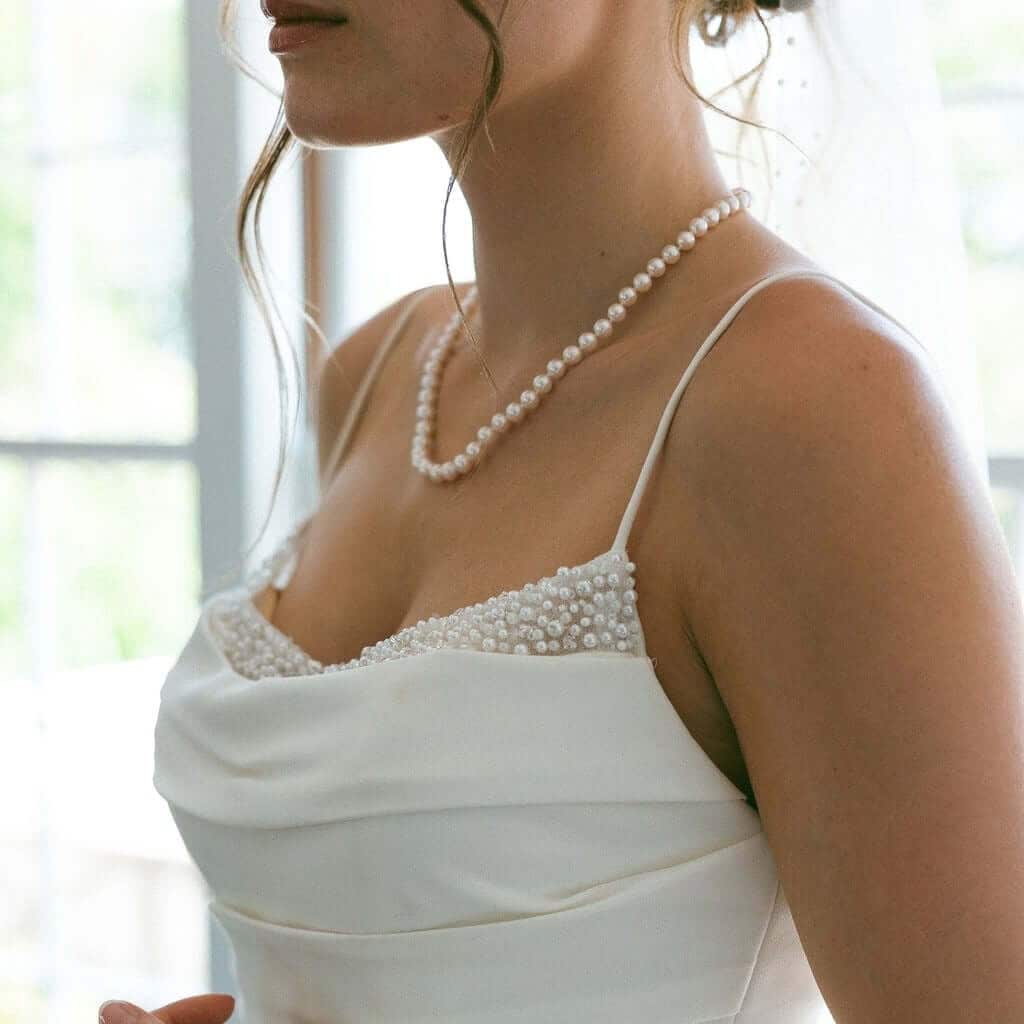
Culturally, pearls have long been tied to purity, new beginnings, and quiet sophistication. They show up at weddings constantly, and for good reason. There's something about a pearl that feels both celebratory and timeless without trying too hard. But they're not just occasion jewelry. A well-chosen pearl piece works just as well on a Tuesday as it does at a formal event.
Alexandrite: The Stone That Surprises You
Alexandrite has a completely different energy.
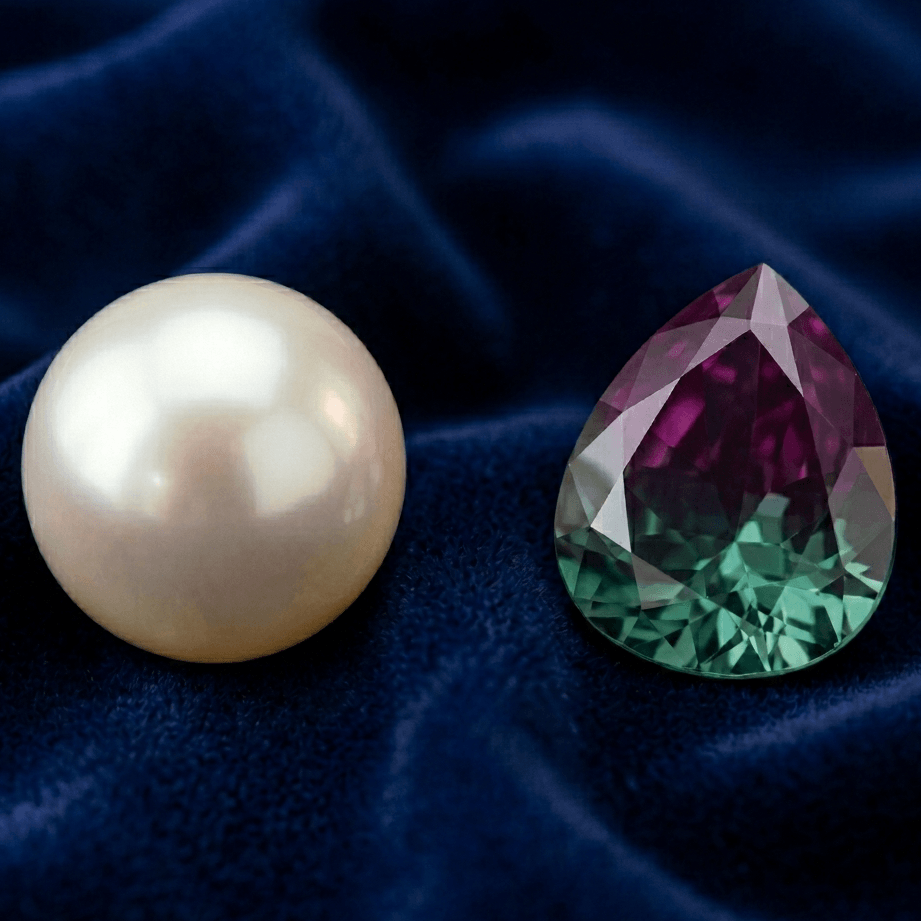
Discovered in Russia's Ural Mountains in the 1830s, it was named after Tsar Alexander II, and it quickly became a source of national pride. Partly because of its rarity, and partly because of something genuinely unusual: it changes color. In natural daylight, alexandrite appears green or bluish-green. Under incandescent light, like a lamp at a dinner table, it shifts toward red or purple. Same stone, completely different look.
That color shift isn't a surface effect or an optical illusion. It's the result of how alexandrite absorbs light at a molecular level, and it's one of the rarest optical phenomena in the gem world. A stone with a strong, vivid color change is genuinely hard to find. While deposits have been discovered in Brazil, Sri Lanka, and East Africa over the years, alexandrite with a pronounced shift and good clarity remains one of the most valuable gemstones on the market.
Beyond the visual drama, alexandrite sits at 8.5 on the Mohs hardness scale, making it durable enough for everyday wear. It can also occasionally display a cat's eye effect, a luminous band of light across the surface, when cut as a cabochon, which adds yet another layer of visual intrigue.
Symbolically, alexandrite is associated with transformation, balance, and adaptability. It's easy to see why. A stone that looks like two different things depending on where you're standing feels like a fitting metaphor for resilience and change.
Comparing the Two: What's Actually Different
The most obvious difference is personality. Pearls are soft, warm, and understated. Alexandrite is bold, rare, and dynamic. But there are a few more practical distinctions worth knowing.
Appearance: Pearls have a consistent, luminous surface with no facets. Their beauty is smooth and steady. Alexandrite is typically faceted, which lets it catch and scatter light, and its color shifts depending on the light source. If you want jewelry that looks the same in every setting, pearls deliver that. If you want jewelry that surprises people, alexandrite delivers that.
Durability: Alexandrite is harder and more resistant to daily wear. Pearls, being organic, are softer and more vulnerable to scratches, chemicals, and even sweat over time. That doesn't make them fragile. Plenty of people wear pearls daily for decades, but they do require a bit more thoughtfulness.
Rarity and cost: Both can get expensive, but for different reasons. High-quality saltwater pearls, including Akoya, South Sea, and Tahitian varieties, are prized for their luster and size and carry a significant price tag. Freshwater pearls offer a more accessible entry point without sacrificing too much beauty. Alexandrite's price is driven almost entirely by the strength of its color change and its clarity. A fine alexandrite with a vivid shift is genuinely rare and priced accordingly.
How to Choose
The honest answer is that the right choice depends on who you are and what you want your jewelry to do for you.
Choose a pearl if you're drawn to classic beauty that doesn't ask for attention. Pearls have a way of elevating an outfit without overpowering it. They're deeply versatile. A strand of pearls or pearl studs can move from a boardroom to a wedding to a casual dinner without missing a beat. They also make exceptional gifts for significant milestones: graduations, anniversaries, weddings.
Choose alexandrite if you want something genuinely one-of-a-kind. If you're the person who gravitates toward unusual jewelry and loves it when someone asks "what is that?", alexandrite is your stone. It's also a meaningful choice if the symbolism resonates: transformation, adaptability, the idea that there's more than one version of yourself depending on the light.
Consider your lifestyle too. If you're hard on jewelry, alexandrite's hardness gives it an edge. If you're careful and deliberate with what you wear, pearls reward that kind of attention.
Caring for Your Birthstone
Whichever you choose, a little care goes a long way.
For pearls: put them on after your perfume, hairspray, and makeup, as chemicals can dull the nacre over time. Clean them gently with a soft, damp cloth and never harsh cleaners. Store them separately from other jewelry to prevent scratching, and if you have a pearl necklace, check the silk thread periodically, as it does wear out and may need restringing.
For alexandrite: warm water, mild soap, and a soft brush is all you need. Avoid ultrasonic cleaners, which can stress the stone. Store it away from harder gems that could scratch the surface.
The Bottom Line
Pearl and alexandrite share a birth month but almost nothing else. Pearls bring centuries of history, organic beauty, and a quiet elegance that never really goes out of style. Alexandrite brings rarity, drama, and a color-changing quality that still manages to feel surprising even once you know to expect it.
There's no wrong answer here, only the one that fits you better. Whether you're drawn to the understated glow of a pearl or the shape-shifting allure of alexandrite, you're choosing a gemstone with real depth behind it. Wear it like you mean it.
With this knowledge, you can now browse our collection of June birthstone jewelry with confidence.