Table of Contents
If you're looking into a jewelry appraisal cost before you book one, that's the right instinct. An appraisal is only useful if you understand what you're paying for and why, whether the piece in question is a family heirloom, an engagement ring you just insured, or something you're simply curious about.
At Day's Jewelers, our GIA-certified gemologists prepare appraisals for insurance, estate, and personal peace of mind. This guide covers what a jewelry appraisal actually costs, what changes that price, and when it's worth scheduling one.
What Is a Jewelry Appraisal?
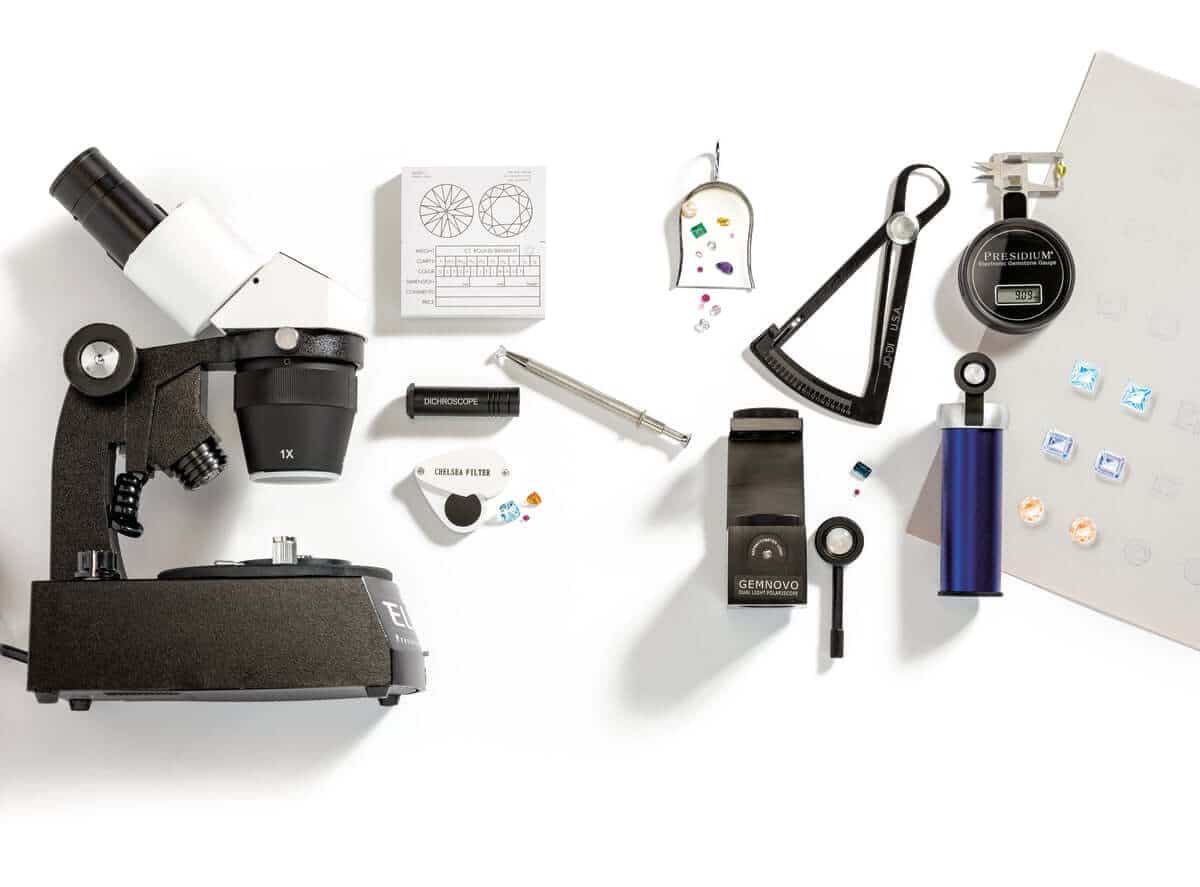
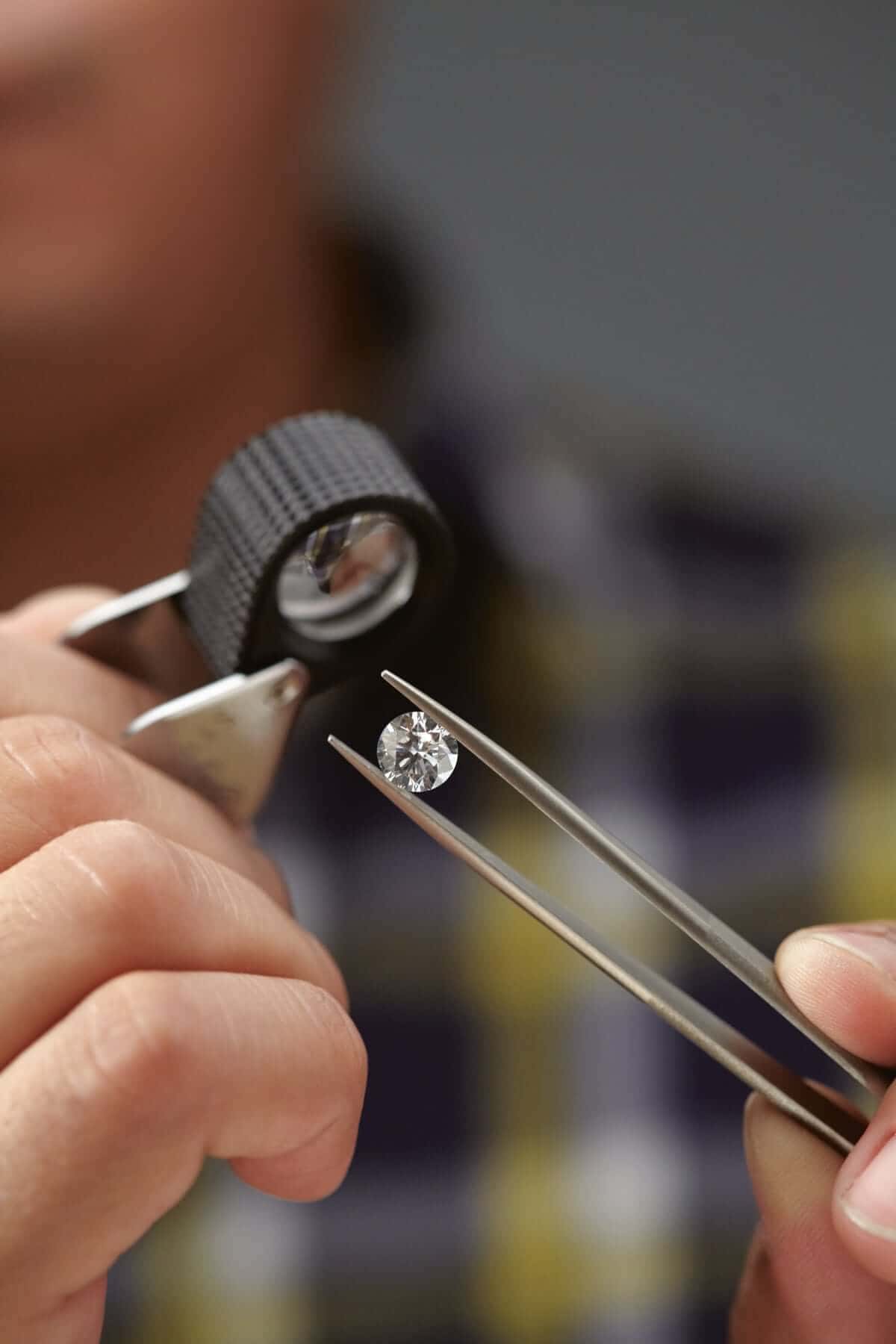
A jewelry appraisal is a professional assessment of a piece's characteristics and current value, prepared by a trained gemologist using laboratory equipment rather than a glance across a counter. It's different from a quick estimate. An appraisal documents metal content, gemstone identification, carat weight, clarity, and condition, then applies current market data to establish a defensible value.
That documentation matters most when you need to prove value to a third party: an insurance company, a probate court, or a buyer.
How Much Does a Jewelry Appraisal Cost?
Jewelry appraisal cost varies by the type of documentation you need. A free verbal estimate, where an associate looks at a piece and gives a ballpark figure, costs nothing and takes minutes. A full written appraisal, the kind insurance companies and estate attorneys require, involves lab testing and a formal report, and carries a fee that reflects that work.
This cost varies based on the scope of work, so stop into your local Day's Jewelers store to determine the cost of your appraisal.
What Changes the Price
- Type of documentation. A verbal estimate is free; a written report is not.
- Complexity of the piece. A solitaire diamond ring is faster to evaluate than an antique estate piece with multiple stones.
- Purpose. Insurance appraisals and estate appraisals may require different levels of detail and documentation.
How Long Does a Jewelry Appraisal Take?
Most in-store verbal estimates take just a few minutes. A full written appraisal takes longer, since it involves formal lab testing rather than a visual assessment. Turnaround time depends on the volume of appraisals at Day's as the complexity of each appraisal.
How Often Should You Get Jewelry Appraised?
A good rule of thumb is every two to three years, or sooner if metal or gemstone prices shift significantly. For pieces purchased at Day's, our lifetime warranty includes semi-annual inspections, which is a natural moment to ask whether your appraisal documentation still reflects current value.
An appraisal only protects you if the number on it still matches the piece in front of you.When to Bring Your Jewelry to a Professional
A few moments call for an appraisal specifically, rather than a casual look:
- Before insuring a new piece, especially an engagement ring or an inherited item.
- After inheriting jewelry, when estate documentation is needed for probate or family division.
- Before selling or trading in a piece, so you know its value before a conversation about price.
- When an existing appraisal is several years old and hasn't been updated.
Protecting What You Already Own
A jewelry appraisal is less about a single number and more about ongoing protection. Knowing what a piece is worth, and keeping that documentation current, is part of caring for jewelry the same way you'd care for its setting or its shine.
Our GIA-certified gemologists are ready to walk you through the process, whether you need a free verbal estimate or a full written report for insurance or estate purposes. Schedule an appraisal appointment at your nearest Day's Jewelers location to get started.