Table of Contents
- Understanding Gold Jewelry: An Overview
- What is Gold Vermeil?
- The Characteristics of Gold Plated Jewelry
- Exploring Solid Gold: Types and Purity
- Durability Comparison: Vermeil vs. Plated vs. Solid
- Price Points: Cost Analysis of Each Option
- Allergies and Skin Sensitivity: Which is Safer?
- Care and Maintenance Tips for Each Type
- Conclusion: Making the Right Choice for Your Jewelry Collection
Understanding Gold Jewelry: An Overview
Jewelry has always held a special place in human culture, symbolizing everything from wealth and status to romantic commitment and personal style. Among the many types of jewelry materials available, gold remains one of the most coveted and prized. For centuries, gold has been a symbol of beauty, durability, and value. However, not all gold jewelry is created equal. When shopping for gold jewelry, you'll encounter several terms like gold vermeil, gold plated, and solid gold that can significantly impact your purchase decision.
Understanding these terms is crucial for making an informed choice. Each type of gold jewelry has distinct characteristics, affecting everything from appearance and durability to price and maintenance. Gold vermeil, for example, offers the look of gold at a more affordable price point, while solid gold provides unmatched durability and value. Gold plated jewelry, meanwhile, serves as a budget-friendly option that can mimic the appearance of more expensive pieces. Knowing the differences between these types can help you choose the best option to suit your needs and lifestyle.
What is Gold Vermeil?
Gold vermeil (pronounced ver-may) is a type of gold jewelry that offers a luxurious appearance without the high price tag of solid gold. To qualify as gold vermeil, a piece of jewelry must meet certain criteria. First, the base metal must be sterling silver, known for its durability and quality. Second, the gold layer must be at least 10 karats and have a minimum thickness of 2.5 microns. This significant gold layer differentiates gold vermeil from other gold-plated jewelry, which typically has a thinner coating.
One of the main advantages of gold vermeil is its affordability. Because the base metal is sterling silver, it costs less to produce than solid gold jewelry. However, the thick gold layer provides a similar luxurious appearance, making it a popular choice for those who want the look of gold without breaking the bank. The use of sterling silver also adds to the jewelry's durability, making it a practical option for everyday wear.
Gold vermeil is also hypoallergenic, which is a significant benefit for individuals with sensitive skin. Since the base metal is sterling silver, it is less likely to cause allergic reactions compared to other base metals used in gold-plated jewelry. This makes gold vermeil an excellent choice for those who experience skin sensitivity but still want to enjoy the beauty of gold jewelry. Overall, gold vermeil strikes a balance between affordability, durability, and aesthetic appeal, making it a versatile option for various occasions.
The Characteristics of Gold Plated Jewelry
Gold plated jewelry involves a base metal that are often brass, copper, or stainless steel coated with a thin layer of gold. The gold layer is applied using a process called electroplating, where an electric current deposits a thin gold layer onto the base metal. This layer is generally much thinner than that found in gold vermeil, usually less than 0.5 microns thick. Because of this thin coating, gold plated jewelry is more affordable but also less durable than other types of gold jewelry.
One of the primary benefits of gold plated jewelry is its cost-effectiveness. It allows consumers to enjoy the look of gold without the high cost associated with solid gold or even gold vermeil. This makes it an attractive option for those who want to experiment with different styles and trends without making a significant financial investment. Gold plated jewelry is widely available and comes in a variety of designs, making it easy to find pieces that match your personal style.
However, the thin gold layer in gold plated jewelry can wear off over time, especially with frequent use. This wear can expose the base metal underneath, which may tarnish or corrode. Because of this, gold plated jewelry requires careful handling and maintenance to extend its lifespan. It is not recommended for everyday wear, particularly in situations where it may come into contact with water, chemicals, or abrasive surfaces. Despite these drawbacks, gold plated jewelry remains a popular choice for fashion-conscious individuals looking for an affordable way to accessorize.
Exploring Solid Gold: Types and Purity
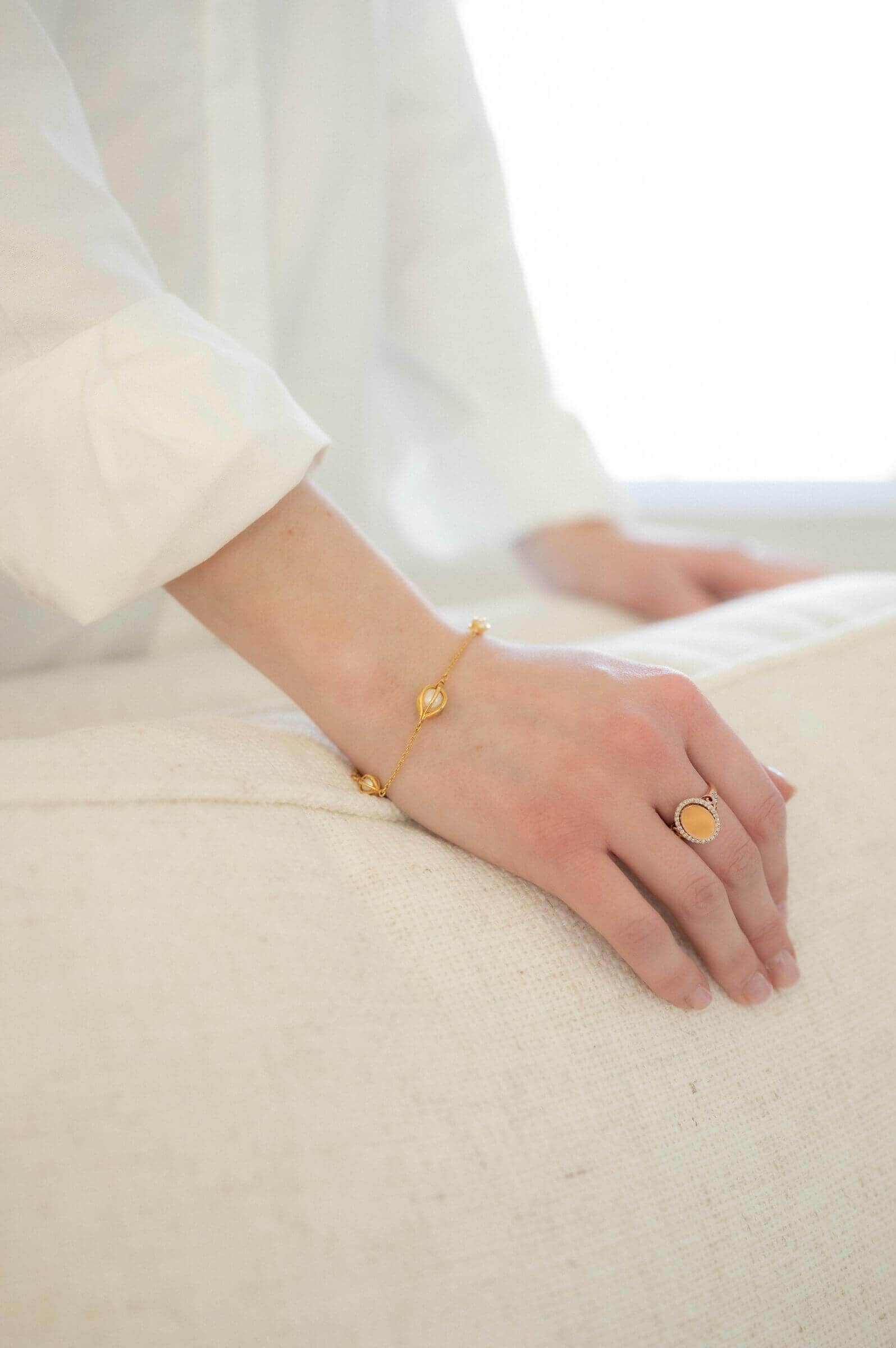
Solid gold jewelry is considered the pinnacle of luxury and quality. Unlike gold vermeil and gold plated jewelry, solid gold pieces are made entirely of gold, either as a single metal or alloyed with other metals to enhance durability and strength. The purity of solid gold is measured in karats, with 24 karats representing pure gold. However, pure gold is relatively soft and prone to scratching, so it is often alloyed with other metals like copper, silver, or zinc to create 18k, 14k, or 10k gold, which are more durable and suitable for everyday wear.
One of the key advantages of solid gold jewelry is its enduring value. Unlike plated or vermeil options, solid gold retains its worth over time and can even appreciate, making it a sound investment. The higher the karat, the purer the gold, and consequently, the more valuable the piece. Solid gold jewelry is also less likely to tarnish or corrode, offering a lasting shine and elegance that can be passed down through generations as heirlooms.
Solid gold is hypoallergenic, making it a safe choice for individuals with sensitive skin. Unlike gold plated jewelry, which can cause allergic reactions when the base metal is exposed, solid gold poses minimal risk of irritation. This makes it an excellent option for items like engagement rings, wedding bands, and other pieces intended for long-term wear. While solid gold is more expensive than other types of gold jewelry, its durability, value, and hypoallergenic properties make it a worthwhile investment for those looking for high-quality, lasting pieces.
Durability Comparison: Vermeil vs. Plated vs. Solid
When it comes to durability, solid gold stands out as the most robust option. Its composition of pure gold or gold alloyed with other metals ensures that it can withstand daily wear and tear without losing its luster. Solid gold jewelry is less prone to scratches and dents, and it doesn't tarnish or corrode over time. This makes it ideal for pieces that are worn frequently, such as wedding rings or favorite necklaces.
Gold vermeil is also quite durable, thanks to its thick gold layer and sterling silver base. While it may not match the longevity of solid gold, it offers a good balance of durability and affordability. The sterling silver base adds strength, while the thick gold layer provides a lasting shine. However, over time, the gold layer may wear down, especially if the jewelry is exposed to harsh conditions or not properly maintained. With regular care, gold vermeil can remain beautiful for many years.
On the other hand, gold plated jewelry is the least durable option. The thin gold layer can easily wear off, revealing the base metal underneath. This makes it more susceptible to tarnishing and corrosion. Gold plated jewelry is best suited for occasional wear and should be kept away from water, chemicals, and abrasive surfaces to prolong its lifespan. While it offers the look of gold at a lower price, its durability is limited, and it may need to be replaced or re-plated over time.
Price Points: Cost Analysis of Each Option
The cost of gold jewelry can vary widely depending on the type and quality of the piece. Solid gold is the most expensive option due to its high gold content and enduring value. An 18k or 24k gold piece can be a significant investment, often costing hundreds or even thousands of dollars. However, this cost is justified by the jewelry's durability, hypoallergenic properties, and potential for appreciation over time. Solid gold pieces are often considered heirlooms and can be passed down through generations.
Gold vermeil offers a more affordable alternative while still providing the luxurious appearance of gold. The use of sterling silver as the base metal reduces the overall cost, making it a popular choice for those looking for high-quality jewelry without the high price tag of solid gold. While it is more expensive than gold plated jewelry, its durability and hypoallergenic properties offer better value for money in the long run. Gold vermeil pieces are ideal for those looking to balance cost with quality and longevity.
Gold plated jewelry is the most budget-friendly option, making it accessible to a wide range of consumers. Its low cost allows for greater experimentation with styles and trends without a significant financial commitment. However, the affordability comes at the expense of durability and longevity. Gold plated pieces may need to be replaced or re-plated more frequently, which can add to the long-term cost. Despite this, it remains a popular choice for those looking for an inexpensive way to enjoy the look of gold jewelry.
Allergies and Skin Sensitivity: Which is Safer?
When it comes to allergies and skin sensitivity, solid gold is often considered the safest option. Pure gold is hypoallergenic, meaning it is unlikely to cause allergic reactions. Even solid gold alloys, such as 18k or 14k gold, are generally safe for those with sensitive skin. The higher the gold content, the lower the risk of irritation. This makes solid gold an excellent choice for items like engagement rings, wedding bands, and other pieces intended for daily wear.
Gold vermeil is also a good option for individuals with sensitive skin. The base metal is sterling silver, which is less likely to cause allergic reactions compared to other base metals. The thick gold layer further reduces the risk of irritation, making gold vermeil a hypoallergenic alternative to solid gold. However, it is essential to ensure that the gold vermeil piece meets the required standards, as low-quality vermeil may not provide the same hypoallergenic benefits.
Gold plated jewelry, on the other hand, can pose a higher risk of allergic reactions. The thin gold layer can wear off, exposing the base metal underneath, which may contain nickel or other allergens. This can lead to skin irritation, especially for those with sensitive skin. If you have a history of metal allergies, it is advisable to opt for solid gold or gold vermeil to minimize the risk of irritation. While gold plated jewelry is more affordable, it may not be the best choice for individuals with skin sensitivities.
Care and Maintenance Tips for Each Type
Proper care and maintenance can significantly extend the lifespan of your gold jewelry, regardless of the type. For solid gold jewelry, regular cleaning is essential to maintain its shine and luster. Use a soft cloth and mild soapy water to clean your pieces, and avoid using abrasive materials that can scratch the surface. Store your solid gold jewelry in a soft pouch or lined jewelry box to prevent scratches and dents. Regular inspections and professional cleanings can also help keep your solid gold pieces in excellent condition.
Gold vermeil requires careful handling to preserve the thick gold layer. Avoid exposing your gold vermeil jewelry to water, chemicals, or abrasive surfaces, as these can cause the gold layer to wear down more quickly. Clean your gold vermeil pieces with a soft cloth and mild soapy water, and dry them thoroughly before storing. Store your gold vermeil jewelry in a soft pouch or separate compartment to prevent scratches and tarnishing. With proper care, gold vermeil can remain beautiful for many years.
Gold plated jewelry needs special attention due to its thin gold layer. Avoid wearing gold plated pieces in situations where they may come into contact with water, chemicals, or abrasive surfaces. Clean your gold plated jewelry with a soft cloth and avoid using harsh cleaning agents that can strip the gold layer. Store your gold plated pieces separately to prevent scratches and tarnishing. While gold plated jewelry may require more frequent maintenance and re-plating, proper care can help extend its lifespan.
Conclusion: Making the Right Choice for Your Jewelry Collection
Choosing the right type of gold jewelry depends on various factors, including budget, durability, skin sensitivity, and personal style. Solid gold offers unparalleled durability, value, and hypoallergenic properties, making it a worthwhile investment for timeless pieces. Gold vermeil provides a luxurious appearance at a more affordable price, with the added benefit of hypoallergenic properties. Gold plated jewelry is the most budget-friendly option, ideal for those who love to experiment with styles and trends.
Understanding the differences between gold vermeil, gold plated, and solid gold can help you make an informed decision that suits your needs and lifestyle. Each type of gold jewelry offers unique benefits and drawbacks, and the right choice depends on your priorities and preferences. Whether you're looking for a lasting investment, a balance of quality and affordability, or an inexpensive way to enjoy the look of gold, there is an option that will meet your needs. Click the button below to view our selection of yellow gold jewelry!